


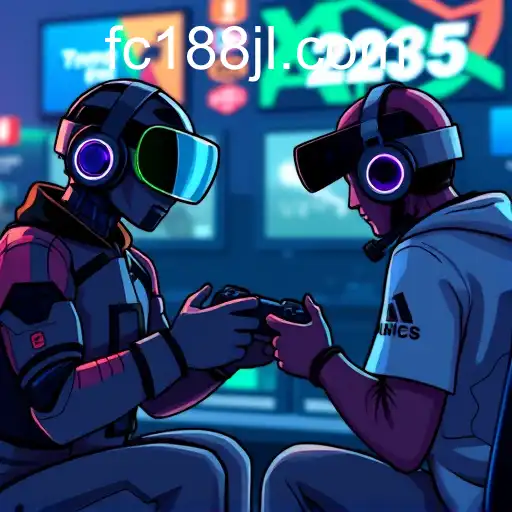
The gaming industry continues to evolve rapidly, with 2025 marking a year of significant advancements and trends that are reshaping how we experience games. Leading the charge are platforms like 'fc188', which have become central hubs for gamers seeking the latest in both entertainment and community experiences.
One pivotal trend that has emerged in 2025 is the integration of artificial intelligence into game development. AI-driven non-player characters (NPCs) provide more realistic interactions, enhancing the immersiveness of virtual worlds. Games are no longer static experiences but dynamic environments where every action has an impact.
Virtual reality (VR) and augmented reality (AR) have also seen a surge, with new devices offering unprecedented levels of realism and engagement. VR headsets are now lighter and more affordable, making them a staple for any gaming enthusiast. Meanwhile, AR is blurring the lines between the digital and real worlds, allowing for unique experiences that extend gaming beyond traditional confines.
'fc188' and similar platforms have also pivoted towards fostering community engagement. The rise of multiplayer and co-op games, supported by robust online infrastructures, means players can connect and collaborate or compete across the globe. These platforms offer not just games, but spaces for social interaction and cultural exchange.
Moreover, the industry is seeing a strong shift towards sustainability. Game developers are increasingly prioritizing eco-friendly practices, from energy-efficient servers to digital-only releases that minimize physical waste.
These trends underscore a broader dynamic within the industry: the push towards inclusivity and diversity. More games are featuring varied narratives and characters, ensuring that all players see themselves represented in the digital worlds they explore.
In conclusion, 2025 stands as a landmark year for the gaming industry, driven by technological innovations and cultural shifts. As platforms like 'fc188' continue to evolve, they not only enhance gaming experiences but also influence societal norms, proving the power and potential of games as a cultural force.